
“`html
Introduction
Strain naming in the UK mirrors the market: starting in secrecy, adapting, and then commercializing rapidly. Following its evolution in the UK shows how culture, growers’ interests, and retail changes reshaped the names we see and discuss. The strain naming evolution UK reflects these dynamic transitions.
Initially, names described origin and effects, but evolved into brand assets and marketing tools. This article examines that transformation with the detail of a sports analyst reviewing a transfer window. Understanding the strain naming evolution UK provides insight into current trends.
Analysis of teams or players
Early participants were small importers and enthusiasts using geographic tags and landrace terms to highlight pedigree. As hybrid strains emerged, these labels blurred, with breeders focusing on traits rather than origin. The movement from landrace to hybrid naming is a crucial aspect of the strain naming evolution UK.
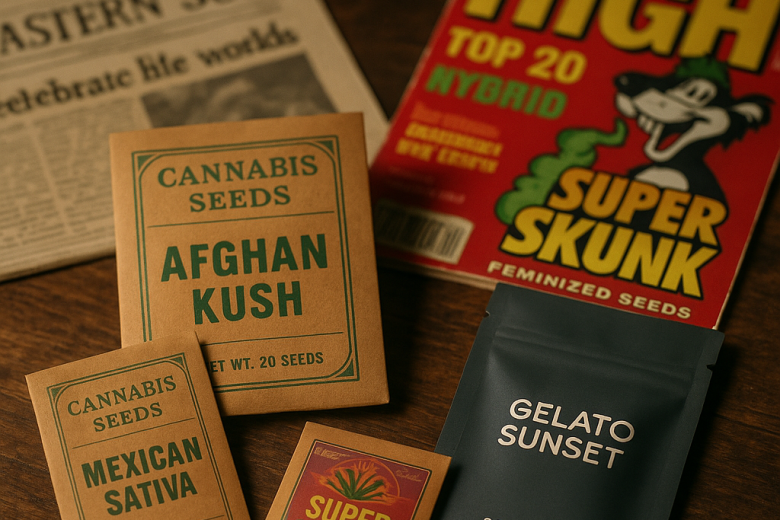
By the 1990s, domestic breeders and underground groups appeared. Skunk became a popular term, reflecting potency and stability, much like a renowned striker symbolizes threat on the field. The 1990s skunk proliferation illustrates a pivotal point in the strain naming evolution UK.
Seedbanks and commercial breeders entered, solidifying strain identities that had been dynamic for years. This shift turned local nicknames into internationally recognized products. The seedbank name adoption marked a significant phase in the strain naming evolution UK.
Key factors
Genetics and chemistry influenced naming as much as culture did. Scientific advances in cannabinoids and cultivars gave breeders terminology to describe effects and origin. For more on the link between genetics and consumer terms, see this review of cannabis genetics and pharmacology. These advancements fuel the ongoing strain naming evolution UK.
Cultural influence was significant as well. After the 1990s, California’s impact on UK names grew, with West Coast favorites entering the British lexicon. A California label added prestige like a foreign signing boosts a team. Cali influence on UK names continues to be a driving force in the strain naming evolution UK.
Market dynamics were crucial. The shift from clandestine to commercial branding emphasized recognizable names and legal defensibility. Packaging and standardized lineage claims became key for retailers and seedshops. This movement from underground to commercial branding is a cornerstone of the strain naming evolution UK.
Technology also played a role. Social media has significantly influenced naming, speeding up the spread of nicknames and establishing brands overnight. Viral names can quickly overshadow those based on origin. Social media naming impact demonstrates another layer of the strain naming evolution UK.
Scenario match
Imagine a face-off between an underground breeder and a commercial seedbank at a regional cannabis event. The breeder offers a locally adapted strain with a colloquial name, while the seedbank presents a packaged hybrid with verified lineage and lab results. This situation showcases the strain naming evolution UK by comparing traditional naming with modern marketing techniques.
Judging criteria differ: traditionalists value consistent phenotypes and whispered pedigrees, while retailers and newer consumers prefer recognizable names and predictable effects, much like the flair versus efficiency debate in football. Strain naming evolution UK reflects such diverse perspectives.
The audience determines the winner. Underground names remain popular in private circles, but commercial names, supported by standardized labels and testing, often dominate public sales. Eventually, commercial strains may overshadow folk names or push them to niche status. This ongoing competition is part of the strain naming evolution UK.
In today’s digital landscape, a strain with a catchy name or viral meme can quickly gain popularity. Social media’s influence means clever branding can generate demand that surpasses traditional breeding cycles. This phenomenon is a key factor driving the strain naming evolution UK.
Conclusion
From landrace tags and traveler tales to trademarked seeds and influencer-driven buzz, strain naming evolution in the UK reflects broader changes in supply, law, and culture. It shifted from origin-based labels to hybrid branding focused on effects, recognizability, and legal clarity. The multidimensional strain naming evolution UK continues to adapt to these changes.
Key moments included the domestication of breeding, the 1990s skunk boom that changed potency expectations, and the rise of seedbanks. Later, California’s influence and social media accelerated rebranding and adoption, all contributing to the complex strain naming evolution UK.

Today, naming is a contested space where underground credibility, scientific claims, and commercial needs intersect. For those watching trends, the lesson is clear: names are more than labels—they shape market success, much like a manager’s reputation influences a transfer window. The strain naming evolution UK remains a crucial part of the cannabis industry’s landscape.
“`